Power Move: Recombinant DNA Explained
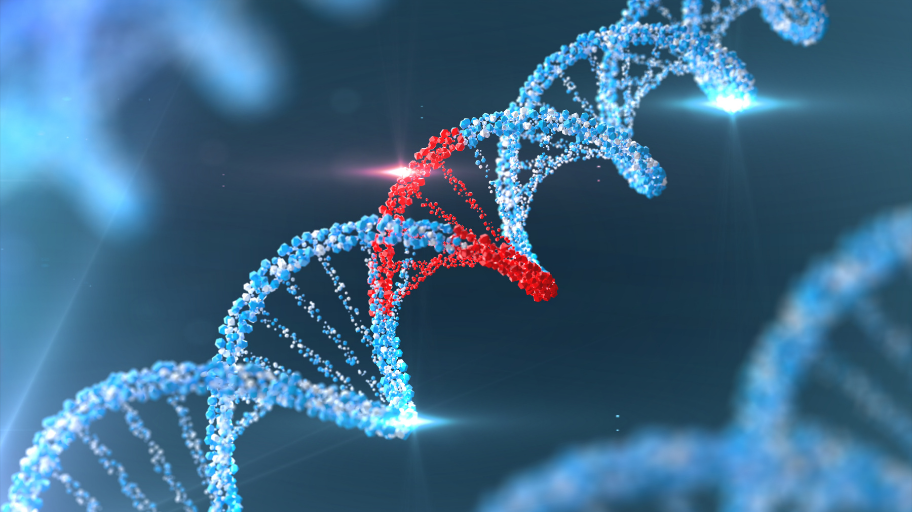
Recombinant DNA sounds like a sci-fi plot, but it’s actually one of the most practical—and powerful—tools in modern medicine. At its core, recombinant DNA is DNA that’s been assembled from two different biological sources. Scientists take a useful gene (often human), insert it into a simple organism like bacteria or yeast, and let that organism do what it does best: make copies of DNA. Lots of them.
Basically, we hijack biology’s assembly line to produce important proteins safely, consistently, and at scale.
How It Works
Here’s CliffsNotes:
- Scientists identify a gene that codes for a useful protein (like insulin or an antibody).
- That gene is inserted into a circular piece of DNA called a plasmid.
- The plasmid is injected into a host cell, usually bacteria or mammalian cells.
- The host cells replicate and crank out human proteins. Host cells become tiny factories!
No humans harmed. No animals required. Just efficient biology doing the heavy lifting.
Alphabet Soup
If biotech loves anything, it’s acronyms. Each signals how DNA is used, manipulated, regulated, and manufactured. In biotech, confusing ssDNA with dsDNA or rDNA with gDNA, isn’t just awkward, it can change the science, the cost, and the regulatory pathway.
- DNA: The classic. Deoxyribonucleic acid. The molecule that carries genetic instructions in every living thing.
- rDNA (Recombinant DNA): This is DNA that’s been engineered in the lab by combining genetic material from different sources.
- dsDNA (Double-Stranded DNA): The familiar twisted ladder. dsDNA is also commonly used in gene therapy, vaccines, and genetic testing.
- ssDNA (Single-Stranded DNA): Exactly what it sounds like: one strand instead of two. ssDNA shows up in certain viruses, sequencing technologies, diagnostics, and some gene-editing applications.
- cDNA (Complementary DNA): It represents only the gene sequences that actually get expressed into proteins, which makes it incredibly useful in research and diagnostics.
- gDNA (Genomic DNA): This refers to the entire DNA content of an organism.
- plasmid DNA: A circular piece of DNA used as a delivery vehicle in genetic engineering.

Why It Matters
Before recombinant DNA, patients relied on proteins harvested from animals or human donors. That came with risks: contamination, shortages, and immune reactions.
Recombinant DNA changed everything.
It enables:
- Safe, reliable insulin for millions of people with diabetes
- Clotting factors for patients with hemophilia
- Growth hormones, vaccines, and cancer therapies
- The foundation of today’s biologics and gene-based medicines
In short: many modern drugs simply would not exist without recombinant DNA.
This technology also allows manufacturers to scale production, meet regulatory standards, and deliver consistent quality—key requirements for FDA approval and global distribution.
Cocktail Fodder
The first FDA-approved recombinant DNA drug was human insulin in 1982. Before that, insulin was extracted from pig and cow pancreases. Thanks to recombinant DNA, insulin became purer, safer, and far more available—turning a chronic disease from a death sentence into a manageable condition. That single breakthrough helped launch the modern biotech industry.
The Big Deal
Recombinant DNA sits at the intersection of science, business, regulation, and healthcare economics. It affects:
- Drug pricing and access
- Manufacturing risk and supply chains
- Regulatory strategy
- Investment decisions and valuations
If you work in healthcare, biotech, pharma, finance, law, consulting, or just take prescription medications, this technology impacts your world.
Be Dangerous
Recombinant DNA isn’t just a lab trick—it’s the engine behind scalable medicine and the spark that turned biotech into a trillion-dollar industry. Want to understand how a single gene becomes a global drug? Our Genetic Engineering Primer microcourse breaks it down fast, clearly, and without the jargon. Walk away fluent enough to ask smarter questions, spot real innovation, and be the most dangerous non-scientist in the room
Biotech Primer is your go-to source for interactive training across the biotechnology, pharmaceutical, molecular diagnostics, and medical device sectors. Explore a range of in-depth biotech courses designed to deepen your understanding of key principles and applications in the field.
Learn More